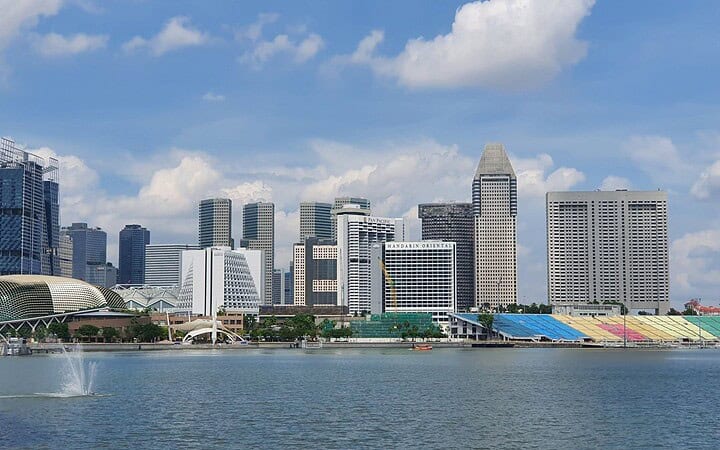
Singapore has earned a strong reputation as a destination for international trade shows, consumer expos, business conferences, and industry exhibitions. With its strategic location, world-class infrastructure, and thriving business environment, the city-state continues to attract organizers and exhibitors from around the world. For anyone planning an exhibition, this creates an exciting opportunity to connect with audiences, showcase products, and build meaningful business relationships.
At the same time, the success of an exhibition usually depends on decisions made long before the event begins. One of the most important choices involves selecting the right venue. A 2021 study suggests that a well-chosen space can support smooth operations, encourage attendee engagement, and create a professional environment that reflects positively on exhibitors and organizers alike. Conversely, a venue that lacks the necessary facilities or flexibility can introduce unnecessary challenges that affect the overall experience.
If you’re evaluating venue options for your next event, here are several factors to consider carefully.
1. Offers Excellent Accessibility
Even the most compelling exhibition can struggle to attract visitors if reaching the venue feels complicated or time-consuming. This is why accessibility remains one of the primary factors organizers evaluate when selecting an exhibition venue Singapore has to offer. A 2020 meta-analysis finds that accessibility is a recurring theme across various events that determines successful outcomes.
For instance, venues located near MRT stations, major road networks, business districts, and hotels provide significant advantages. International attendees benefit from efficient transportation links from the airport, while local visitors appreciate shorter travel times and straightforward navigation. This also supports exhibitors who need to transport products, display materials, and equipment to the site.
Also, convenient drop-off points, clear way finding systems, and barrier-free access for individuals with mobility needs contribute to a smoother experience for everyone involved. Ultimately, the easier it is for people to arrive and move around the venue, the more likely they are to engage fully with the exhibition.
2. Flexible Spaces for a Variety of Applications
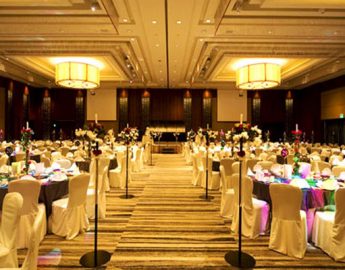
Exhibitions come in many forms, ranging from boutique industry showcases to large-scale international trade events. As a result, the flexibility of a venue space for rent plays a critical role in supporting different event requirements.
Furthermore, a truly adaptable venue offers the scalability needed to accommodate fluctuating visitor numbers or expand exhibition floor plans in future editions without requiring a change in location. Specifically, organizers need spaces that can accommodate exhibition booths, networking lounges, product demonstration areas, seminar rooms, and registration zones within a single venue. Flexible layouts make it easier to create an environment that supports attendee flow while ensuring exhibitors receive adequate visibility.
3. Features Reliable Physical Infrastructure
A successful exhibition depends on more than just available floor space. The venue must provide the physical infrastructure needed to support event operations from start to finish.
A reliable power supply is particularly important, as exhibition booths typically require lighting systems, display screens, demonstration equipment, and other electrical installations. Organizers should also evaluate the venue’s built-in lighting facilities, audiovisual equipment, and climate control systems to ensure they can accommodate most exhibitors’ usual requirements.
When these foundational elements are in place, exhibitors can focus on engaging visitors rather than dealing with operational disruptions.
4. Supports Technology-Enabled Event Experiences
Beyond the venue’s physical infrastructure, modern exhibitions increasingly rely on established and novel technologies to enhance engagement and streamline event management.
Many events now incorporate digital registration platforms, mobile event applications, interactive displays, QR-code-based information access, and hybrid participation options that connect in-person and virtual audiences. These tools help improve efficiency while creating more personalized experiences for attendees.
Technology also enables exhibitors to showcase products in more dynamic ways through virtual or augmented reality simulations, digital catalogs, and interactive demonstrations. A venue that can accommodate these various solutions gives organizers greater flexibility to create engaging experiences that meet current audience expectations.
5. Promotes Visitor Comfort and Engagement
The overall environment of an exhibition venue can significantly influence attendee satisfaction and participation, as well as their dwell time. Visitors are more likely to stay longer and engage with exhibitors when they feel comfortable throughout the event, as evidenced by a meta-analysis that found comfort to be an important contributor to exhibition success.
Well-designed venues provide ample seating, clean restrooms, reliable air conditioning, and convenient food and beverage options. These amenities allow attendees to recharge and continue exploring the exhibition without unnecessary inconvenience.
Equally important is the venue’s layout. Clear signage and intuitive navigational cues help visitors move efficiently between exhibition areas.
6. Simplifies Logistics and Operations
Behind every successful exhibition lies extensive operational planning. Exhibitors need to transport large displays, product samples, marketing materials, and specialized equipment. So, venues that support efficient logistics can significantly reduce the complexity of event execution. For example, loading bays, storage facilities, freight elevators, and dedicated service entrances streamline logistical activities and help minimize setup challenges.
This becomes especially important for organizers coordinating multiple exhibitors simultaneously. Efficient operational infrastructure allows teams to focus on creating a successful event rather than troubleshooting logistical obstacles.
7. Delivers Strong Support Services
Even the best facilities require knowledgeable people to provide valuable assistance before, during, and after an exhibition. For instance, technical support personnel help address equipment concerns, while operations teams coordinate logistics and venue readiness. On the other hand, security staff contribute to a safe environment for exhibitors and visitors, and housekeeping teams help maintain cleanliness throughout the event.
Strong support services also benefit organizers during the planning stage. Venue professionals who understand exhibition requirements can offer practical recommendations, identify potential issues early, and help create more efficient event workflows.
Secure the Ideal Exhibition Venue
Choosing the perfect exhibition venue goes far beyond floor plans. More importantly, it directly shapes exhibitor impact, attendee engagement, and seamless behind-the-scenes operations. Ultimately, the ideal space should not just house your event. It should also actively elevate it, setting the stage for an unforgettable, high-impact exhibition.
See also: Planning an exhibition involves more than choosing the right venue. If you need professional support with event planning, logistics, and exhibition management, check out our guide to the best event companies in Singapore.