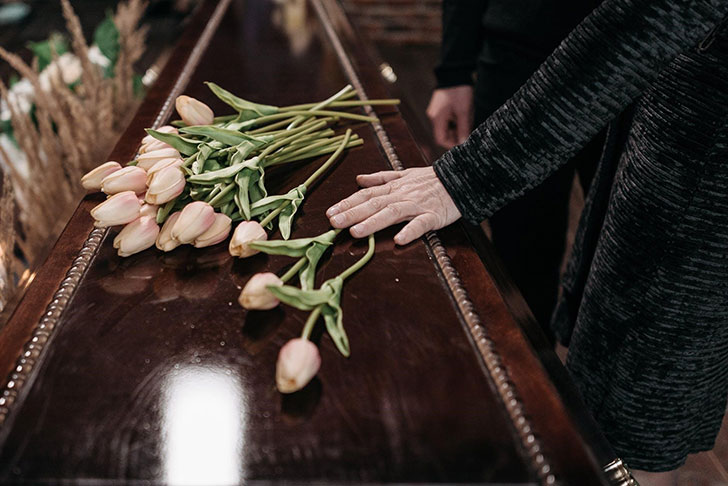
There are certain traditions and rites that you will always find among people from different walks of life. This is especially true for occasions such as marriage, death, and funerals.
If you want to understand Taoists or live among them, knowing what to avoid after a Taoist funeral is important so you can respect their culture and live in harmony with them.
A Brief Introduction to Taoism
Taoism is a philosophical system developed by Chuang Tzu and Lao Tzu. This system advocates a life of naturalness and simplicity, without interfering with the course of natural events. The aim is to attain a happy life in harmony with the Tao.
This religion and philosophy originated in China and has existed for more than 2,000 years. The Taoist attitude toward life is characterised by acceptance and yielding, which complements a duty-conscious and morally purposeful approach to living.
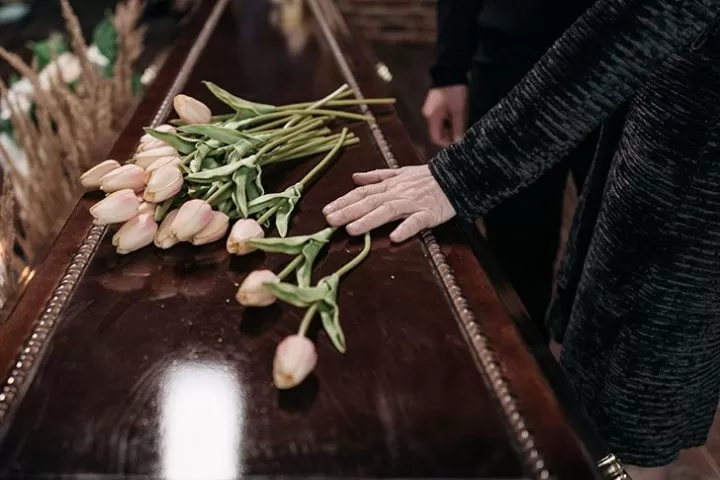
As a culture, Taoists have a unique view of death, which they describe as a “release from the corpse” or Shijie. Taoists believe in eternal life and consider death as just another chapter in one’s journey.
Before death, it is wise to prepare for eventualities, especially to ease the emotional and practical burdens during the mourning period. If you’re unsure where to begin, you can explore some of the best funeral services in Singapore to understand the available options and support during this difficult time.
Taoist funeral services can help families prepare for difficult times, often guided by dialect traditions. With these arrangements in place, families can focus on mourning their loved ones in peace.
Like many cultures, Taoism has specific dos and don’ts during and after a funeral. Below are five things you should avoid after a Taoist funeral, based on traditional practices.
1. Trimming Hair and Nails
Children or grandchildren of the deceased should avoid trimming their hair and nails for at least 49 days after the funeral.
This stems from the belief that hair and nails are gifts from one’s parents, and therefore should not be cut during the mourning period. It is customary to wait at least 49 days before doing so.
2. Avoid Visiting Friends and Relatives
Another practice is to avoid visiting friends and relatives for 49 days after the burial, as this is the typical mourning period.
Instead, Taoists are encouraged to spend this time reflecting and allowing their emotions to settle after the loss.
During this period, family members may offer weekly or fortnightly offerings at the spiritual tablet as a sign of respect and remembrance for the deceased.
3. Refrain from Entertainment
After the funeral, family members and close relatives are expected to refrain from entertainment and celebrations.
A 49-day mourning period is commonly observed as a way of showing respect. During this time, attending joyous occasions such as weddings or newborn celebrations is generally discouraged.
4. Avoid Wearing Bright Colours
Wearing bright-colored clothing is also discouraged during the mourning period. The duration of this restriction may vary depending on dialect traditions.
In some cases, white clothing is worn for the first seven days, after which other colours may be introduced. In other traditions, immediate family members may avoid bright colours for up to 100 days.
5. Avoid Marriage During the Mourning Period
Sons of the deceased are traditionally discouraged from getting married within six months of a parent’s passing.
If a wedding had already been planned, it is usually postponed to the following year to allow for a proper mourning period.
In addition, there are other practices to observe. For example, items associated with the deceased, such as clothing, are often burned rather than kept. This is part of traditional funeral rites.
Conclusion
Even if you are not a Taoist, understanding these customs can be helpful. While you may not be required to follow them, being aware of these practices allows you to show respect for others’ beliefs and traditions.
This understanding helps you live harmoniously with your neighbours, especially during sensitive times of loss.
In some cases, attending a Taoist funeral may involve participating in rituals such as the burning of joss paper, also known as “ghost money.” These practices are rooted in beliefs about the afterlife and are carried out with deep respect.
Understanding them can help you avoid unintentional offence and appreciate the cultural significance behind these traditions.